
The EU Import Duty Is Reshaping E-commerce Logistics
You’ve probably heard the news by now: the European Union has introduced the EU import duty, a new rule changing the way low-value imports enter the European market. For online sellers, this means one thing above all: how they manage cross-border logistics is becoming more important than ever.
In 2025, almost 5.9 billion low-value item orders entered the EU under the IOSS system, moving quickly through customs without duties. That’s the scale of cross-border e-commerce the EU has now stepped in to regulate more tightly.
Since 1 July 2026, the EU import duty adds a flat €3 customs charge on every low-value parcel (€150 or under) entering from outside the bloc, closing a loophole that let non-EU sellers undercut EU-based businesses already paying VAT and duties on every sale.
For consumers, this can mean higher costs on some purchases. For sellers and platforms, it’s a reason to rethink the entire supply chain, and that’s already reshaping how e-commerce businesses operate in Europe.
From Cross-Border Shipping to Local Fulfillment
Instead of shipping individual orders directly from outside the EU to consumers, platforms and online sellers can increasingly look toward local European warehousing.
Import products into the EU in larger quantities, handle customs once per shipment instead of once per parcel, store the goods locally, and fulfill individual customer orders from within the European market.
Rather than repeating the same cross-border process for every individual order, inventory sits closer to the end customer. Products get picked, packed, and shipped locally, so businesses aren’t relying on a fresh international shipment for every purchase.
For consumers, this may be bad news initially, meaning higher costs on some purchases. For sellers and platforms, however, it creates a reason to rethink the entire supply chain.
For businesses, it turns customs, warehousing, inventory management, and final delivery into part of a single European fulfillment strategy.

Turning the EU Import Duty into a Logistics Advantage
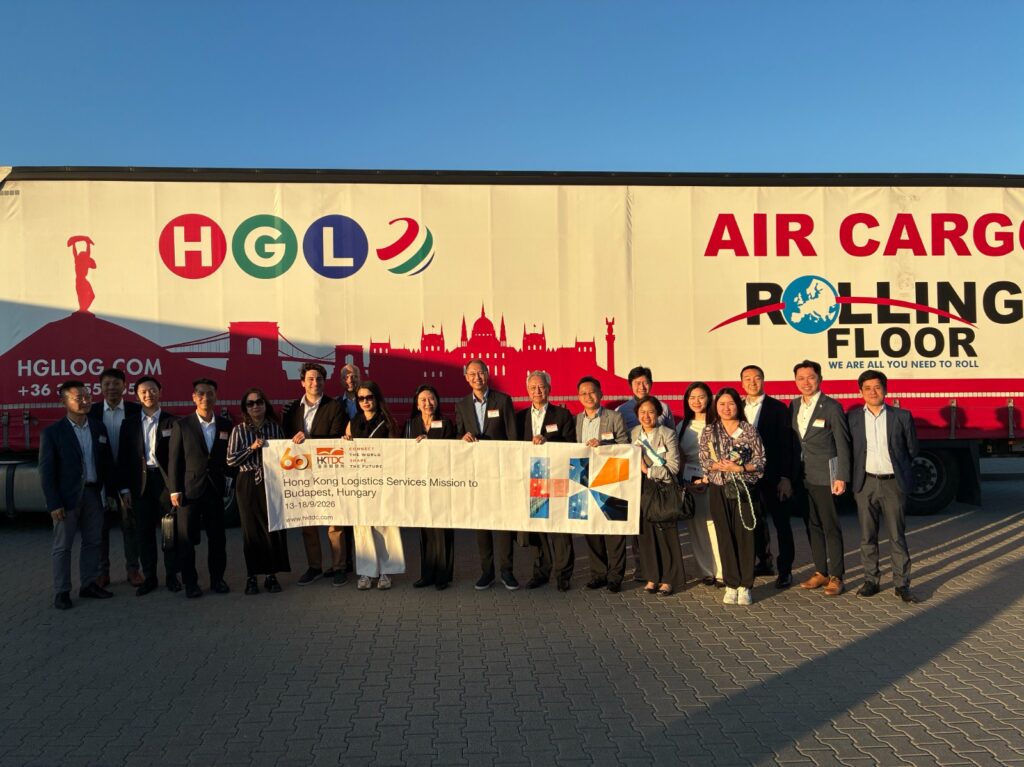
HGL fits into this shift directly. It combines international freight forwarding, customs compliance and clearance, warehousing, fulfillment services & line haul management to last mile, allowing businesses to manage multiple links of their supply chain through one logistics network.
Instead of simply moving a parcel across a border, the focus becomes managing the entire flow: bringing goods into Europe, handling customs procedures, storing inventory, preparing orders, and getting them to customers from within the EU.
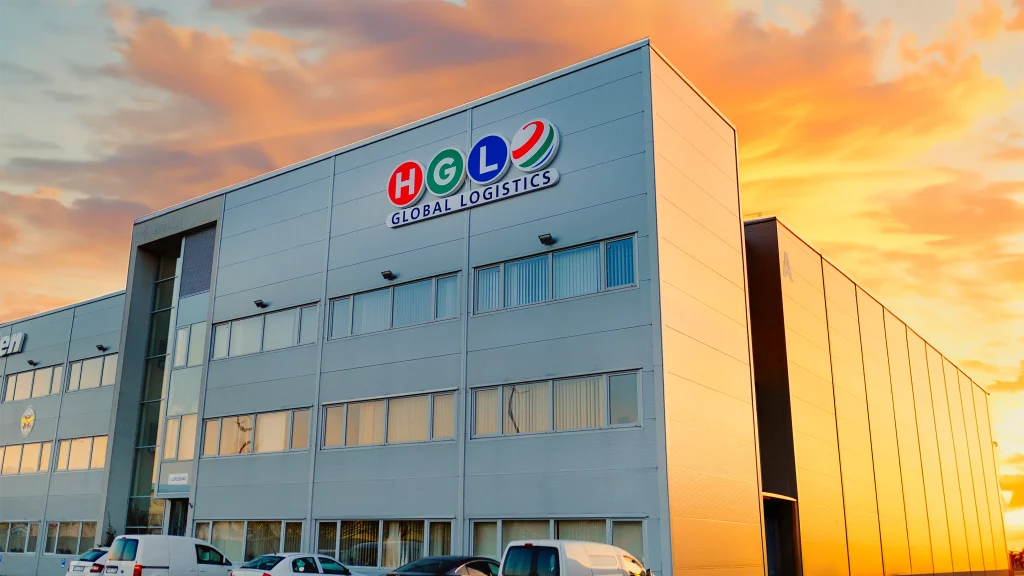
HGL’s warehouse infrastructure in Budapest and Debrecen provides a strategic base for businesses looking to serve European markets from a Central and Eastern European location, with a 99.2% on-time rate and 24-hour order processing already supporting e-commerce fulfillment across the region.
That advantage covers customs compliance, inventory positioning, fulfillment speed, and reliable delivery, all handled as one coordinated process instead of separate moving parts.
A Changing Market Creates New Opportunities
The introduction of the new import duty changes the economics of direct-to-consumer cross-border shipping. Some businesses will adapt faster than others, but none faster than HGL.
For many e-commerce platforms and sellers, that adaptation could mean moving from a model based primarily on individual international shipments toward a local stock holding and a fulfillment model within the EU.
Import duties and VAT can be handled as part of a normal import process, which addresses the concerns of competitiveness, a major gripe of the EU, and inventory can be stored closer to customers, from where orders can be fulfilled locally.
What initially looks like an additional cost and another layer of regulation can also encourage a more mature and efficient European e-commerce infrastructure.
The winners will be the businesses that redesign their logistics around the new rules instead of simply reacting to them.
Looking for a globally connected logistics partner?
If you’re looking to establish or strengthen your European webshop fulfillment operation, HGL can help you connect international imports with local warehousing, customs clearance, and fulfillment, giving your business a more structured way to serve customers across the EU.
Contact HGL to discuss your fulfillment requirements and find the right logistics setup for your European growth.